
Looking tired even when you’re fully rested?
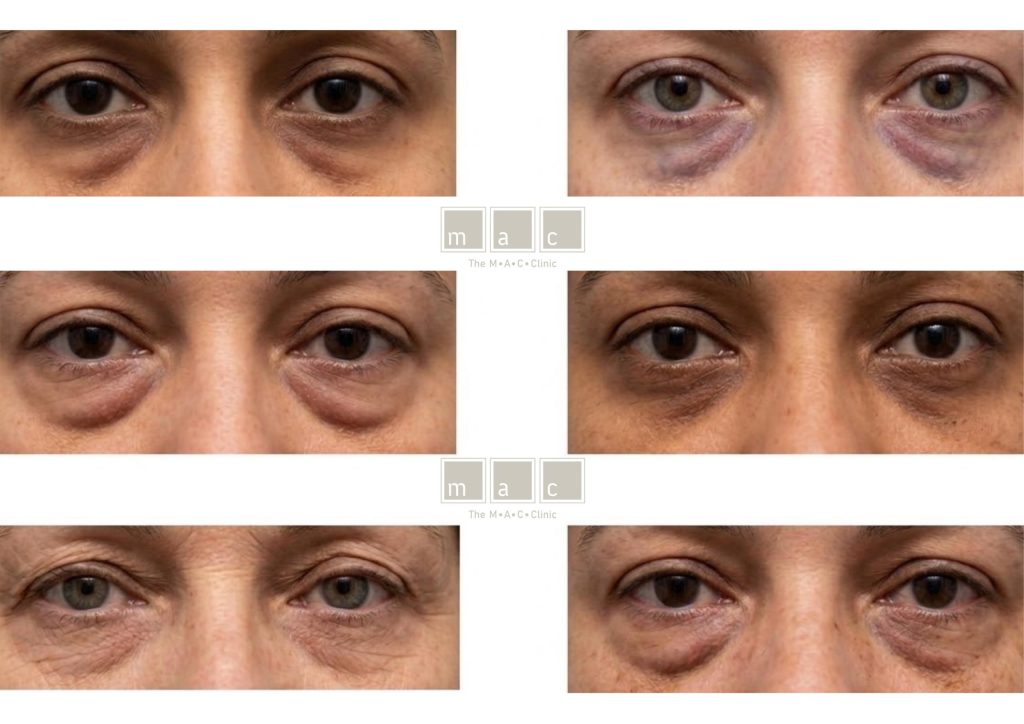
Dark circles under the eyes are a common aesthetic concern and are not always caused by lack of sleep. Their appearance can be influenced by genetics, ageing, skin thickness, pigmentation, vascular visibility, facial structure and lifestyle factors. In many people, several factors are involved.
According to Dr. Ong Yan Ying, LCP Certified Senior Aesthetic Medical Practitioner at The M∙A∙C∙Clinic Bangsar, understanding what is contributing to the appearance of dark circles is an important first step. Equally important is knowing how to translate that assessment into an appropriate treatment plan.
What Causes Dark Circles Under the Eyes?
Dark circles can have different causes, and the same approach may not be suitable for everyone.
Vascular Dark Circles
These may appear blue, purple or reddish beneath the eyes. The skin around the eyes is naturally thin, which can make underlying vascular tones more visible. Genetics, allergies and frequent eye rubbing may also contribute to their appearance.
Pigmentary Dark Circles
These typically appear brown or darker than the surrounding skin. Genetics, sun exposure, previous inflammation or irritation, and repeated eye rubbing can contribute to pigmentation around the eyes.
Structural Dark Circles and Under Eye Shadowing
Not every dark looking under eye area is caused by pigmentation. Tear troughs, changes in facial volume, under eye bags and natural facial anatomy can create shadows that make the area appear darker. In these cases, brightening the skin alone may not address the reason the area appears dark.
Mixed Dark Circles
Many people have a combination of factors; for example, pigmentation together with thin skin, vascular visibility or structural shadowing. This is why the right approach begins with understanding what is creating the appearance, rather than treating all dark circles in the same way.
Can Age, Sleep and Lifestyle Affect Dark Circles?
Yes, but they are not necessarily the primary cause.
Ageing can make dark circles more noticeable as the skin becomes thinner and changes in facial volume and structure become more apparent.
Lack of sleep and fatigue can make the under eye area look more tired or pronounced, although persistent dark circles are rarely explained by sleep alone.
Sun exposure can contribute to pigmentation and accelerate skin ageing, making under eye discolouration more noticeable.
Allergies and eye rubbing may contribute to irritation and pigmentation around the delicate eye area.
Dehydration, alcohol, stress and smoking may affect the overall appearance and quality of the skin, although they are rarely the sole explanation for persistent dark circles.
A balanced diet supports overall skin health. However, dark circles should not automatically be attributed to a vitamin or mineral deficiency unless there is an underlying nutritional issue.
How Are Dark Circles Treated?
Because different factors can create a similar looking concern, treatment needs to be selected according to the individual rather than the appearance alone.
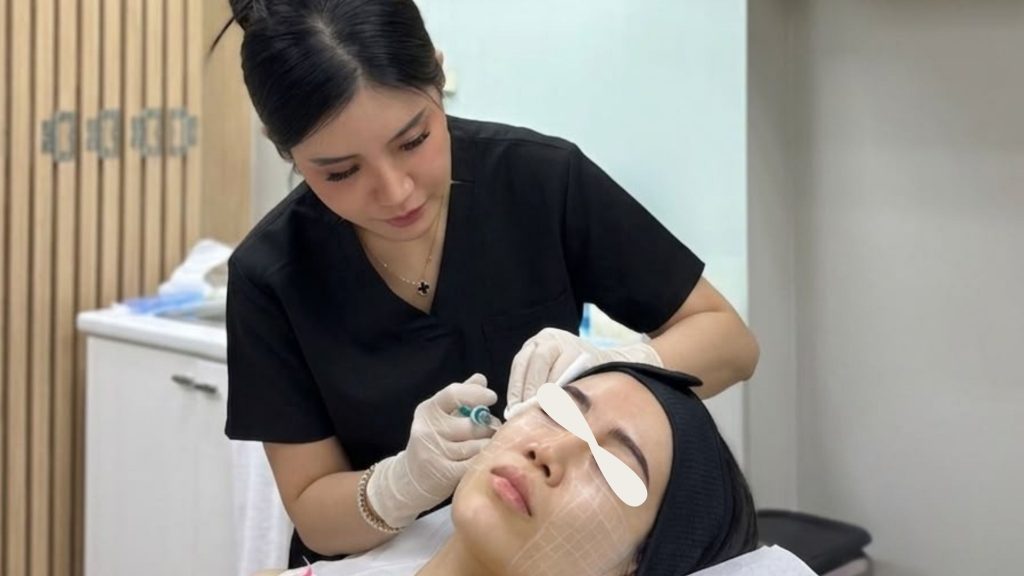
booster treatment.
Depending on the contributing factors, dark circles under eyes treatment (periorbital rejuvenation) options may include:
● Medical grade skincare and topical treatments
● Injectable or minimally invasive treatments, such as Hyaluronic Acid (HA) fillers, collagen boosters injections, or skin biostimulators
● Energy based treatments, such as Fractional CO₂ lasers, CoolPeel, or Potenza RF Microneedling
● Combination or staged treatment plans
Dr. Ong added: there is no single treatment that is universally appropriate. In some cases, one approach may be sufficient; in others, combining different treatments or addressing concerns in stages may provide a more appropriate strategy.
The choice also involves more than selecting a treatment. The practitioner’s understanding of facial anatomy, experience, technique and ability to tailor the treatment plan, patient’s preferences and the protocol to the individual all play a role. For example, a treatment aimed at pigmentation may not address structural shadowing, while improving skin quality may not completely address vascular or anatomical factors.
When Should You Seek Professional Advice?
If dark circles persist despite adequate rest and proper skincare routine, a professional assessment can help clarify the contributing factors and whether treatment is appropriate.
Dark Circle Treatment in Kuala Lumpur
At The M∙A∙C∙Clinic, we are backed by one of Malaysia’s most experienced medical aesthetic and skin expert team with 30 years of experience in this field. Our doctors and therapists keep their knowledge up to date and use the cutting edge techniques and technologies to deliver safe, natural looking results.
For dark circles, our approach is to:
● Understand the cause: We assess the factors contributing to their appearance,
including anatomy, skin characteristics and individual concerns.
● Choose the right approach: Depending on the cause, this may involve a single
treatment, a combination of treatments or a staged approach.
● Treat with precision: Treatment techniques, protocols and parameters are tailored to the individual, guided by clinical experience.
● Keep it natural: We aim to improve the appearance of dark circles while preserving the natural character of the face.
● Review and refine: Results are assessed over time and the treatment plan adjusted when appropriate.
You can book a consultation to discuss your concerns and have a professional and transparent experience.
WhatsApp/ message: +60 12 321 293 ( The M∙A∙C∙Clinic)
Email:mac.clinic.my@gmail.com
Original Article: The M∙A∙C∙Clinic blog
Author: Dr. Ong Yan Ying
Published Date:20.08.2026